Table Of Content

We recommend creating an area inside the greenhouse that is protected from direct light conditions. Generally speaking, most greenhouses will have glass walls or windows. This is what gives a greenhouse its unique feature set of maintaining a warmth that allows for plant growth. In this section we are going to guide you through the general process of setting up your very own mushroom farm in your greenhouse. These white, three- to 10-inch-wide mushrooms sport long, dangling spindles. When watering your logs or stumps, you need to do so until you see that the wood has absorbed the moisture enough to lose its appearance of crispy dryness.
Fruiting
With proper inoculation techniques, you can ensure a healthy and productive crop of mushrooms. By preparing the substrate properly and maintaining the right conditions, you can create an ideal environment for your mushrooms to grow. With a bit of patience and attention to detail, you’ll soon have a beautiful crop of fresh mushrooms ready for harvest. The type of substrate you use will depend on the variety of mushroom you are growing, as different types of mushrooms have different requirements. Some common substrates for mushroom cultivation include straw, sawdust, and coffee grounds.
Stage 4 – Inoculate the Mushroom Substrate
This is the stage where the mycelium (the vegetative part of the fungus) begins to grow and spread throughout the substrate. The substrate can then be inoculated with spawn, which is the seed material for the mushrooms. This is typically done by mixing the spawn into the substrate and then packing the mixture into a container.
STEP 4: Lower the temperature to between 55 and 60 degrees.
Clayton County police hold press conference to talk about "magic mushrooms" found during a recent drug bust. The major stated during a press conference on Friday that this was the largest quantity of mushrooms he has encountered, totaling nearly 60 pounds. The grow operation was discovered at a residence in Atlanta that had been under surveillance for an extended period. Before beginning demolition, it’s important to know what the building materials are made of to ensure that hazardous materials like asbestos are handled properly. Contaminated building materials should be double-bagged in plastic bags and disposed of correctly. We will say, however, that we are big advocates of using sterilized equipment and medium.
Why growing mushrooms at home is everyone's new pandemic hobby - The Guardian
Why growing mushrooms at home is everyone's new pandemic hobby.
Posted: Thu, 18 Mar 2021 07:00:00 GMT [source]
As well as some additional tools and pieces of equipment that we highly recommend specific to growing mushrooms in a greenhouse. A rich, fertile, moisture-retentive growing medium is needed for mushrooms. The traditional material for growing mushrooms is horse manure and you can buy this from your local garden centre or nearby stables.
It just makes for faster inoculation, a better chance of success and less chance of contamination in the end (which could save you time and money). After you take the second harvest, you can use any remaining mycelium to inoculate more growing medium. Oyster mushrooms prefer growing in dead trees or on logs, and it’s possible to simulate this growing environment using hardwood logs and a dowel spawn.
6 Best Mushroom Growing Kits for 2024 — Top Kits for Growing Mushrooms - Good Housekeeping
6 Best Mushroom Growing Kits for 2024 — Top Kits for Growing Mushrooms.
Posted: Fri, 25 Feb 2022 08:00:00 GMT [source]
Mushroom growing kits are a good place to start if you're new to the process because a kit will provide everything you need. If you start without a kit, the type of mushroom you choose to grow determines the substrate you grow the mushrooms on, so it's essential to research each mushroom's needs. Button mushrooms are one of the easiest to grow if you're learning how to grow mushrooms for the first time. Fruiting is the final stage of the mushroom growing process, and it’s the most exciting part. By providing the proper environmental conditions and monitoring the growth of the mushrooms closely, you can ensure a successful and bountiful crop of fresh, delicious mushrooms.
Tips for successfully Growing Mushrooms in a Greenhouse
And even though mushrooms don’t like strong gale force winds (which tends to dry them out and inhibit growth), they do still require the carbon from the fresh air to develop properly. In fact, during the propagation phase of the mushroom cycle, where the mushroom spores are colonizing the growing medium, the mixture should ideally be in a dark environment. Greenhouses, by their very nature, are enclosed structures that help to shield against the outside elements. This is perfect for mushrooms, that require protection from strong drafts and wind. Protection is particularly important during the fruiting stages of the mushroom growth cycle. You will find a list of the recommended raw materials that you need for every mushroom kit.
Any selected organic matter should be fresh and unblemished, with no other fungal bodies present. Remember, we’re providing food for this fungus, and it shouldn’t have to compete with other organisms for it. If you plan to use logs, look for spawn plugs, which are compact enough and shaped in such a way to fit snugly inside pre-drilled holes.
Harvesting every day should result in a continuous crop for about six months. Fresh-picked mushrooms add so much flavor to pizza, pasta, and more. Making your spawn bags or filling your containers with substrate are activities you should separate from the grow room.
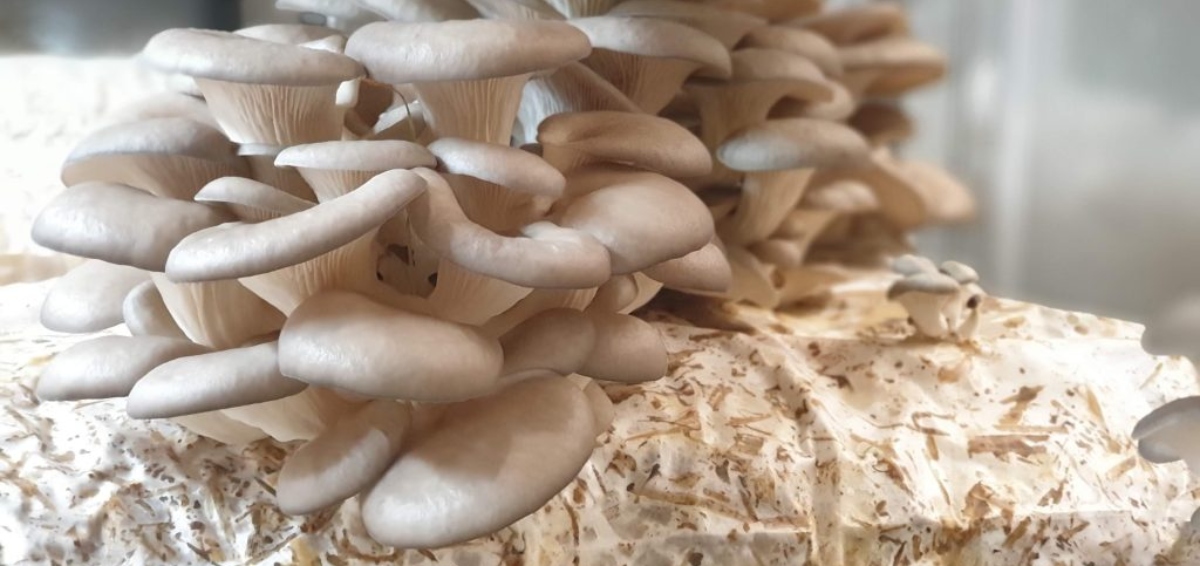
If you’re not yet ready to use them, harvested mushrooms can be placed in a brown paper bag and stored in the fridge, where they’ll be good to eat for about a week. If cleaning is necessary, do so by wiping them down with a dry cloth, as rinsing with water can leave them soggy. With white to tan hues and oyster-shaped caps up to six inches wide, these tasty mushrooms are absolutely iconic. Any chunks of spawn should be crumbled as you spread it to make growth easier. Once your spawn is spread, add a couple inches of organic matter on top as a protective layer.



No comments:
Post a Comment